Building an AI Education Platform While Learning AI: The Meta Journey
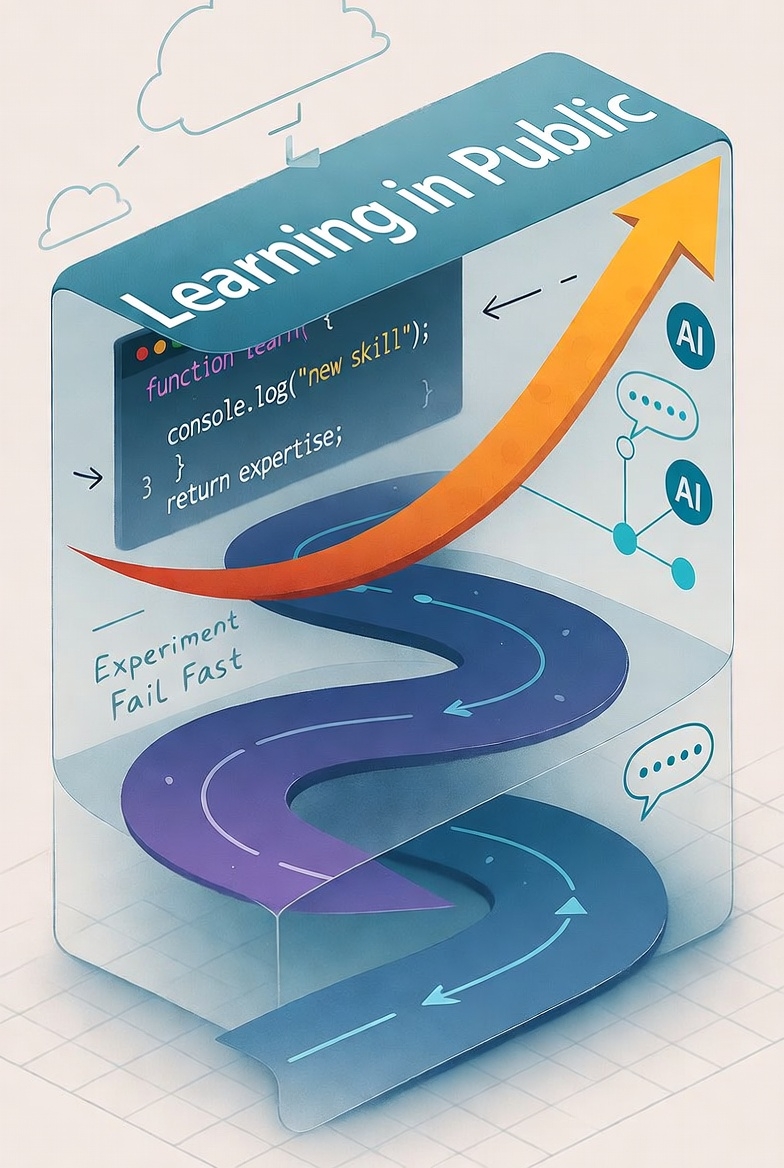
Building an AI Education Platform While Learning AI: The Meta Journey
There’s something beautifully ironic about what I’m doing right now. I’m building an AI education platform - Alien Brain Trust - while actively learning how to use AI tools effectively. Teaching while learning. Documenting while discovering.
If that sounds backwards, let me explain why it’s actually the only way this works.
The Expert Trap
The traditional model of education says: become an expert, then teach. Master the subject completely, accumulate credentials, achieve guru status, then share your knowledge from the mountaintop.
That model doesn’t work for AI. Not in 2025.
AI is evolving too fast for anyone to claim complete mastery. The tools I’m using today didn’t exist six months ago. The strategies that work now might be obsolete next quarter. The “experts” claiming to have it all figured out? They’re either lying or they stopped learning.
So here’s my approach: I’m 25 years deep in cybersecurity and automation. I understand access controls, security frameworks, and how to implement complex systems without breaking things. That expertise is real and transferable.
But AI tools specifically? I’m learning those in real-time. Just like you.
Why Document Everything?
I’m not just building Alien Brain Trust. I’m documenting the entire process publicly through this blog. Every decision. Every pivot. Every “wait, that actually worked better than I expected” moment.
Here’s why that matters:
1. Documentation Deepens Learning When you have to explain something to someone else, you understand it better yourself. Writing these posts forces me to articulate what I’m learning, why certain approaches work, and where I’m still figuring things out.
It’s learning reinforcement through teaching.
2. Authenticity Cuts Through the Hype The AI space is drowning in hype. Everyone’s an expert. Every tool is revolutionary. Every strategy is guaranteed to 10x your productivity.
I’m not interested in that game.
What I’m interested in is showing the real process. The budget constraints (hello, Synthesia token limit). The strategic decisions about which tools to adopt. The messy middle of implementation where things don’t work perfectly the first time.
That authenticity is valuable because it’s rare.
3. The Best Learning Happens in Community I could build Alien Brain Trust behind closed doors and launch when it’s “perfect.” But that isolated approach misses the point of what we’re all navigating right now.
AI adoption isn’t a solo journey. It’s a collective shift. The professionals who thrive aren’t the ones hoarding knowledge - they’re the ones sharing insights, asking better questions, and learning from each other’s experiments.
What “Learning in Public” Actually Means
For me, learning in public means:
Showing the Process, Not Just the Results Anyone can post a polished case study after the fact. I’m documenting while I’m in the middle of it. The blog structure you’re reading this on? Set up three days ago with Claude Code. The AI-1001 course? Still in development, and I’m sharing the curriculum decisions as I make them.
Admitting What I Don’t Know I don’t have AI figured out completely. I’m still experimenting with which tools fit my workflow best. I’m testing frameworks for prompt engineering. I’m learning what works for course delivery versus content marketing versus strategic planning.
That uncertainty isn’t a weakness. It’s honesty.
Inviting Critique and Collaboration When you learn in public, you open yourself to feedback. Someone might point out a better approach. Someone might challenge an assumption. Someone might share a tool or technique you hadn’t considered.
That’s the value. Learning accelerates when you invite others into the process.
How This Benefits the ABT Community
If you’re following this journey - whether you’re a prospective AI-1001 student, a fellow professional navigating AI adoption, or just someone curious about how this all works - you benefit from watching the real process unfold.
You see:
- Strategic decisions in context: Why I chose Claude over other AI assistants, not just that I did
- Resource constraints: How a solo founder balances multiple projects with finite time and budget
- Implementation patterns: What actually works when you’re building, not theorizing
- Honest assessments: Tools that didn’t pan out, approaches that needed adjustment, surprises that changed strategy
This isn’t curated highlights. It’s the full picture.
And when AI-1001 launches, you’ll know it’s built on real implementation experience, not academic theory or recycled content from other courses.
The Vulnerability Factor
I’ll be honest - there’s vulnerability in this approach.
What if I make a wrong strategic decision and document it publicly? What if a tool I recommend doesn’t work for everyone? What if I have to pivot the course direction based on what I learn?
Those are real risks. But they’re outweighed by the value of authenticity.
I’d rather be transparently learning and occasionally wrong than pretend to have all the answers and lose credibility when reality doesn’t match the hype.
Plus, course corrections are valuable content. Showing why something didn’t work and what I did instead? That’s a better lesson than pretending everything worked perfectly from the start.
The Invitation
Here’s what I’m offering: Learn alongside me.
You don’t have to wait until I’ve “figured it all out” to benefit from this journey. You can watch the course development process. Test the tools I’m using. Ask questions that shape what I cover next. Challenge assumptions. Share your own discoveries.
This blog isn’t just marketing for Alien Brain Trust. It’s the real-time documentation of building a business with AI tools while learning those tools. It’s strategy in public.
And honestly? Your participation makes it better.
When you ask questions, I dig deeper into topics I might have glossed over. When you share your perspective, I see gaps in my thinking. When you point out tools or approaches I haven’t considered, we all learn faster.
The Meta Lesson
Building an AI education platform while learning AI isn’t ironic. It’s optimal.
Because the best teachers aren’t the ones who learned everything 10 years ago and are just sharing old knowledge. They’re the ones actively engaged in the learning process, bringing students along for the discovery.
I’m not teaching AI from a position of having it all figured out. I’m teaching from a position of deep expertise in related domains (cybersecurity, automation, strategic implementation) while actively learning the newest tools and strategies.
That combination - transferable expertise plus current learning - is exactly what professionals need right now.
We don’t need more AI gurus promising easy answers. We need fellow travelers a few steps ahead, documenting the path and inviting others to walk alongside.
That’s what this is.
The Bottom Line: I’m building Alien Brain Trust in public. Documenting the journey. Sharing the wins and the pivots. Learning AI while teaching AI implementation.
If that resonates with you - if you’d rather learn from someone actively in the process than someone claiming to have all the answers - stick around.
Join the Journey:
- Follow this blog for real-time updates
- Ask questions that shape the content
- Share your own AI learning experiences
- Learn alongside me as AI-1001 develops
The Value Proposition: You get to watch (and participate in) the real process of AI adoption. Not the polished marketing version. The actual work.
This is Day 3 of documenting the journey. Let’s see where we are at Day 100.